Greensboro's landscapes have their own cadence, formed by Piedmont clay, damp summertimes, moderate winters, and communities that range from century-old cottages near Fisher Park to newer builds in northwest neighborhoods. Modern landscaping here is less about going after patterns and more about analyzing them for regional soil, light, and water. The outcome is a mix of tidy lines with practical plant palettes, outside rooms that work throughout 3 seasons, and details that hold up to pollen in spring and a cicada chorus in late summer. If you're preparing landscaping in Greensboro, NC, the designs below program what is getting traction and, more notably, what works.
The Greensboro Context: Soil, Climate, and the Yard Next Door
Every contemporary style fulfills its match in local conditions. That is specifically real in Guilford County. The base layer is traditional Piedmont red clay: mineral-rich, slow-draining, vulnerable to compaction. Unamended, it clods up when wet and turns brick-hard in drought. Numerous property owners discover the tough way when a smooth gravel yard becomes a puddled mess after a thunderstorm. A good design here starts with grading and drain, then soil modification. I've seen outdoor patios heave after 2 summertimes because nobody considered the swell and shrink cycle of clay underneath a thin gravel bed.
The climate prefers multi-season planting. Greensboro sits in USDA Zone 7b to 8a depending on microclimates. Winters dip into the 20s at night, summertimes hover in the 80s with damp spikes, and rain comes in bursts. That bodes well for broadleaf evergreens, warm-season lawns, and perennials that value a wet-dry rhythm. It also rewards shade techniques. The city's street canopy is fully grown, which provides many lots high dappled shade for half the day. Designs that look magazine-perfect in Phoenix would tumble here. On the other hand, we can do layered gardens that carry interest from February hellebores to October asters.
Greensboro also has a useful culture around lawns. People utilize their areas: Saturday grilling, kids on trampolines, patio sitting. Modern landscape design that sticks here does not over-polish. It allows for leaf drop, pollen, and the occasional basketball rolling through a bed. Tidy, resilient surface areas and plants that recuperate after a missed out on watering matter more than show-off specimens that sulk in July.
Modern Southern Minimalism: Clean Lines, Regional Bones
The design language is limited: low walls, best angles, and a pared-back combination. The soul, though, is Southern. Where coastal modernism might lean to cactus and limestone, Greensboro's variation utilizes locally shown plants, warm brick, and wood.
Hardscape choices generally start with 3: concrete, brick, and gravel. Poured concrete with a broom finish reads modern yet manages freeze-thaw much better than sleek or stamped surfaces. Brick, recovered if you can discover it, ties to Greensboro's architecture and remains good-looking even as it ages. Granite screenings, compacted well, provide walkable paths that drain and feel comfortable beside both brick cattle ranches and modern builds.
Planting follows the less-is-more rule, but not to the point of sterility. I like huge, simple sweeps. Envision a front bed with a mass of dwarf yaupon holly, underplanted with 'Blue Ice' bluestar for spring blossom and blue-green texture, with a slice of 'Royal Purple' loropetalum as a single accent. That's three plants, all Piedmont-friendly, providing structure and seasonality without a dozen maintenance notes. Ornamental yards such as 'Adagio' miscanthus or native little bluestem include movement without mess. The technique is to keep the variety of species low and the quantities of each high, then use crisp edges on lawns and beds so the entire thing reads intentional instead of sparse.
Trade-offs: minimalism reveals mistakes. Irregular cuts on steel edging, leak discolorations on a stucco wall, or one badly performing shrub will stand apart. You likewise require perseverance with young mass plantings, which look thin in year one. Budget plan for initial spacing that anticipates mature size, not immediate fullness, or be prepared to thin later.
Indoor-Outdoor Circulation for Three Seasons
Greensboro's shoulder seasons are generous. March arrives with Camellia japonica still flowering; October frequently provides evenings in the 60s. Modern projects almost always look for to extend living space outward and pull the garden inward. That suggests lining up doors with location points and duplicating products in between home and yard.
I've had all the best with decks that step down to a patio, echoing the interior's wood tone outside and after that presenting a masonry field at grade. The action develops a pause and a micro-seating moment. A pergola helps define the outside space, though it should be sited thoughtfully. An open slatted top is stunning, but it will not stop a July sunbeam. A material canopy or polycarbonate infill makes the space usable, and in pollen season a hose-down friendly finish matters.
Modern plantings near these living zones need to be neat by default and resilient to traffic. Low hedges of boxwood options such as inkberry holly or Carissa holly hold their shape, while evergreen magnolia cultivars like 'Little Gem' provide a vertical screen without ending up being a 60-foot behemoth. For potted accents, succulents are dangerous unless containers have ideal drainage and early morning sun. I choose fiber-clay pots with herbs and heat-tough perennials like lavender 'Incredible', which endures humidity much better than older strains, or rosemary 'Arp' that makes it through winter lows much better than grocery store rosemary.
Lighting extends the night window. Instead of floodlights that flatten whatever, path lights at 12 to 18 inches tall, set back from edges, offer wash without glare. Warm color temperature levels around 2700K are kinder to plants and people. With the area's fireflies in June, subtle lighting in fact contributes to the magic rather than overwhelming it.
Pollinator-forward and Native-leaning Modern Gardens
Residents progressively want landscapes that pull their weight ecologically. The delighted news is that a modern-day visual can work with native and regionally adapted plants. The key is modifying. Rather of a home mix, use broad drifts and repeated forms.
A Greensboro-friendly palette that nods to natives: river birch as an anchor, underlit for bark drama; oakleaf hydrangea for scale and summer season flower; switchgrass 'Northwind' standing like green pillars; Echinacea purpurea, black-eyed Susan, and mountain mint for pollinators. Repeat these groups to develop rhythm, then leave a few negative spaces of mulch or groundcover to keep the structure from feeling busy. For groundcover, attempt green-and-gold (Chrysogonum virginianum) in bright shade or bare spaces under trees where turf thins.
One little backyard near Sundown Hills utilizes a rectangular shape of no-mow fescue mix as a yard option, framed by 4 rectangles of perennials. The geometry is sharp, the plants are soft, and the bees have work to do all summertime. Upkeep is foreseeable: a winter lowering, spot weeding, and top-dressing with garden compost. The only admonition is to prevent overwatering in July when humidity is currently high; fungal illness spread out quick in tight plantings.
There is still a location for non-natives as long as they play well. Distylium has become a peaceful hero in Greensboro. It handles clay, heat, and irregular rain with less bug concerns than boxwood. Integrating distylium with native perennials gives you structure and habitat without compromising a modern-day line.
Water-smart Style Without the Desert Look
Greensboro is not dry, however it does swing in between damp weeks and dry spells. Water-smart design here is less about cacti and more about capturing, moving, and gradually launching water. A contemporary rain chain feeding a gravel basin can become a feature and a function. Swales that are graded effectively and lined with river rock checked out intentional, especially if you echo that stone in a neighboring bed edge.
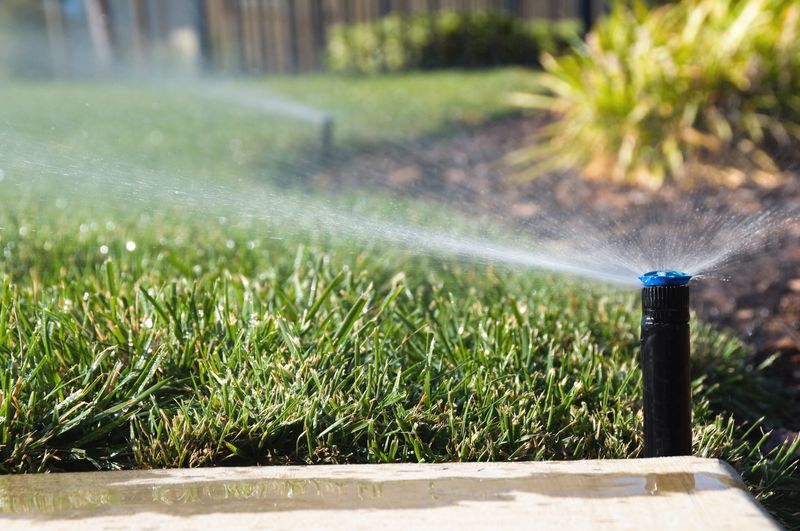
Hidden-cistern systems mix with contemporary types. A 50 to 100 gallon barrel tucked behind a screen wall can deal with container watering through August. Drip irrigation on a timer deserves the financial investment if you are utilizing larger containers or establishing new trees. For those who choose to prevent watering totally after establishment, pick plants that tolerate wet feet in spring and hot roots in July. It's a short list, but river birch, bald cypress in low areas, sweetbay magnolia, and Virginia sweetspire make an attractive wet-to-dry backbone.
Permeable hardscapes assist. Permeable pavers with an open joint and angular aggregate base decrease runoff and keep patio areas dry underfoot. They likewise require thorough base prep, especially on clay. I insist on deeper excavation than the producer's glossy pamphlet recommends for our soils, then test compaction in lifts. Avoiding that step is how you wind up with a wavy patio area next summer.
Small Backyards, Huge Moves
Greensboro's downtown infill and older areas use modest lots that take advantage of strong, basic gestures. When space is tight, limit materials and double-duty elements. A cedar bench can hide storage for cushions. A single specimen tree, like a Japanese maple 'Seiryu' or native fringe tree, can anchor the entire garden. Vertical trellising along a fence includes greenery without chewing up the footprint; evergreen clematis or star jasmine can operate in protected spots, however they require morning sun and a careful eye in a cold snap.
One customer near Lindley Park had a 24 by 30 foot backyard. We laid cedar slats horizontally along the fence to make the area feel broader, then set a rectangle of decomposed granite as the main terrace with a simple steel-edged planting frame. 3 large corten planters hold herbs and annual color in rotation. With two products and a single duplicated shape, the yard checks out cohesive. The whole maintenance routine takes an hour on Sunday, leaving the remainder of the week for enjoyment.
Beware of overcrowding. Nurseries in April are appealing, but little yards penalize additional plants in August when air motion drops. Leave breathing room in between shrubs, and do not hesitate of a swath of empty mulch as a design pause.
Contemporary Woodland for Dappled Shade
Greensboro's canopy produces conditions that numerous cities envy. Instead of fighting shade, style with it. Modern woodland style leans on layered foliage, subtle color shifts, and textural contrast. Start with structure: understory trees like dogwood, redbud, or serviceberry. Include a middle layer with leucothoe, mahonia 'Soft Caress', and autumn fern. Ground it with hellebores, epimedium, and sedge. The palette is mainly green, so restraint in hardscape is a lot more crucial. An easy flagstone course with tight joints, set in screenings, looks sharp and remains comfy to walk.
Lighting is pivotal. Downlights mounted in trees create moonlight results on paths and plantings, much better than stake lights that glare. Keep components small and shielded to avoid light contamination. If you go for a modern-day look, maintain consistent component styles and color temperature. The forest mood breaks quickly if the lighting feels like a parking lot.
Drainage once again matters. Shade locations frequently rest on low ground where water sticks around. Planting pockets with raised berms resolve both aesthetic and useful requirements. Forming a six-inch rise makes a bed feel designed and gets roots out of winter season slush.
Edges, Transitions, and the Art of Restraint
Modern landscapes flourish on the strength of edges. In Greensboro, crisp edges can be harder to keep since of warm-season turf creep and clay heave. Steel edging installed somewhat proud of grade, anchored every 2 feet, resists movement and keeps a tidy line. Brick soldier courses are more flexible. If your home already includes brick, duplicating it as edging feels right and is easy to re-set if an area shifts.
Transitions between products require attention. Where granite screenings meet lawn, think about a concealed pressure-treated board underneath the edge to stop grit from moving and to keep the mower deck from chewing the border. Where wood decking meets concrete, a small shadow expose makes the point look deliberate even if the 2 products weather condition in a different way over time.
The most significant style error I see is over-detailing. Water features, sculpture, ornamental gravel, and 5 plant textures can be terrific separately, however entirely they dilute one another. Greensboro backyards do best with one or two hero relocations and peaceful background options. A single direct water rill, if you have the grade and the spending plan, will read much more modern than an assemblage of little fountains.
Materials That Survive Pollen, Heat, and Use
Surfaces deal with 3 tests here: spring pollen that coats everything, summer heat, and day-to-day wear. Matte surfaces, easily washed, make daily life easier. Smooth concrete shows pollen streaks. Broom-finish pieces or pavers with micro-texture conceal the film in between rains. Composite decking quality varies widely; higher-density boards hold up much better to sun and are less most likely to handle the faint green cast that cheaper products establish after a few springs.
Metals need to be picked with upkeep in mind. Corten steel establishes a stabilized rust patina that fits contemporary lines and looks natural beside red clay, however it can stain nearby concrete throughout its very first season. Strategy a buffer or pre-weather the panels offsite. Powder-coated aluminum for fences and screens remains cleaner than raw steel, which will show finger prints and pollen streaks.
For furniture, slatted teak or powder-coated aluminum fares well. Cushions with quick-dry foam and solution-dyed acrylic covers will save you headaches when an afternoon thunderstorm sneaks up. If you're under oak trees, expect acorn drops in fall. Choose tables without glass tops, or you'll be policing smudges every weekend.
The Modern Front Yard: Suppress Appeal Without Fuss
Greensboro's front lawns often balance personal privacy with welcome. Modern treatments keep the sightlines open while modifying the plant list. A low hedge along the walkway softens the street edge and defines space without obstructing views. Inside that, a set of large shrubs flanking the walkway provides peaceful structure. A single pathway light near the street number is better than a dozen small lights scattered like runway markers.
Turf remains popular, however homeowners are narrowing it to a purposeful panel instead of a full-coverage carpet. It is common now to see a 12 to 15 foot large band of fescue or zoysia framed by beds. This conserves water and simplifies upkeep, particularly in fall when fescue gets overseeded. With the right edges, a tight turf rectangular shape next to a bed of evergreen shrubs and one decorative tree checks out modern, not sparse.

Mailboxes and home numbers have gone modern-day too. Cedar posts with dark metal numbers, or a stuccoed column that echoes a porch pier, help connect architecture to landscape. The best variations withstand the desire to over-sign. One clean set of numbers at eye level and a single accent plant at the base feels polished.
Backyard Energy, Reimagined
The working parts of a yard requirement style love. Trash enclosures, tool storage, air conditioning systems, and dog runs can sink a modern ambiance if left on the surface area. Simple slatted screens, either cedar or composite, hide the mess and cast excellent shadows. Leave airflow around AC condensers and strategy access for service. A little put pad with gravel boundary keeps mud at bay in high-traffic energy streets. Gates with self-closing hinges conserve headaches when you bring groceries in and out.
For animals, modern does not mean vulnerable. Synthetic grass has actually made headway in side lawns where natural lawn stops working, however it needs appropriate base and drain to avoid smell in humid months. If you prefer live ground, pea gravel or decomposed granite in a pet dog run cleans up quickly and looks composed. Plant the remainder of the lawn with dog-tough perennials: coneflower, daylily, and rugosa rose can take some romping.
Budgets, Phasing, and Mistakes to Avoid
The hunger for contemporary landscaping in Greensboro, NC grows each spring, however budget plans differ. A complete redesign with comprehensive hardscape, lighting, and plantings can encounter the 10s of thousands, even on a small lot. Phasing assists. Prioritize drainage and hardscape first, then lighting and watering, then plantings and ending up touches. If you can just do one splurge, make it the patio. Plants grow and can be added gradually, but poorly constructed hardscape will haunt you.
A few errors I see repeatedly:
- Choosing plants for brochure images rather than local efficiency. If you love lavender, pick a humidity-tolerant cultivar and plant it in completely drained pipes soil. Otherwise change to Russian sage for the look without the sulk. Ignoring upkeep gain access to. Mowers need turning radiuses, and hedges require a path behind them for pruning. Develop these into the style, not after. Skimping on base prep under gravel or pavers. In clay, depth and compaction are non-negotiable. Over-lighting. Greensboro's nights are soft. A handful of warm, targeted components beats a lawn full of glare. Planting too near to structures. A three-foot shrub will be five feet in 3 years. Leave area for seamless gutters, painting, and airflow.
Planting Palette Beginners That Behave in Greensboro
Here is a concise set of reputable plants that fit a modern aesthetic and handle Piedmont conditions. Use them in duplicated blocks instead of one-offs, and you'll get the graphic lines you want without picky care.
- Structural evergreens: dwarf yaupon holly, inkberry 'Shamrock', distylium 'Linebacker'. Ornamental yards: switchgrass 'Northwind', miscanthus 'Adagio', little bluestem 'Standing Ovation'. Flowering anchors: oakleaf hydrangea, smooth hydrangea 'Incrediball', coneflower, black-eyed Susan. Shade players: hellebore, fall fern, mahonia 'Soft Caress', leucothoe. Accent trees: river birch 'Dura-Heat', sweetbay magnolia, serviceberry, redbud 'Forest Pansy' or 'Oklahoma'.
These are not the only options, however they represent a core that has actually worked throughout lots of tasks. If you wish to forge ahead, do it with one or two experimental plants and view them for a season before scaling up.
Hiring Aid vs. DIY in Greensboro
A modern look stresses flawless execution. Straight lines are unforgiving, and inadequately set pavers will advertise every wobble. If you have persistence and a flair for grading, do it yourself can conserve money on planting, mulch, and even easy paths. For concrete, maintaining walls, intricate drainage, or lighting, a licensed pro is worth the cost. When talking to, search for teams experienced in landscaping Greensboro, NC homes specifically. Ask to see tasks that have actually weathered at least 2 summer seasons. Greensboro's clay and https://shaneyigk254.trexgame.net/top-perennials-for-greensboro-nc-gardens-1 rain cycles are a test you desire your professional to have passed in the field, not in theory.
For DIYers, borrow a transit level if you're changing slopes. A gentle 2 percent fall away from the house is a small number on paper but a big offer in truth. On clay, a French drain might need to daytime farther than you anticipate to genuinely move water. Call 811 before digging. You 'd marvel how frequently gas or fiber lines sit simply inches under a side yard.
A Few Real-world Scenarios
A mid-century cattle ranch off Lawndale Drive concrete outdoor patio and patchy lawn. We cut the patio area into big rectangles and re-used the slabs as stepping pads, set with tight joints over a compacted base of screenings. In between the pads, a low groundcover of dwarf mondo turf created a grid. A single river birch and a line of distylium gave structure. Total plant count: fewer than 50. The yard went from heat sink to welcoming in 3 weekends, and the owners reported their barefoot comfort doubled since the concrete no longer reflected heat.
In a more recent area near Lake Jeanette, the backyard sloped towards your house. We regraded to produce two broad balconies, each held by a 16-inch steel-edged increase planted with switchgrass. The terraces ended up being outdoor spaces: dining above, lounge below, both with permeable pavers. A narrow runnel along the edge collects roof water and feeds a little rain garden planted with sweetspire and tussock sedge. Throughout summer season storms, you can see the system work. The yard, lowered to a rectangular shape in between spaces, remains healthy because it drains.

A home in College Hill needed personal privacy from a corner lot without walls. We used layered planting with a contemporary line: a back row of 'Little Gem' magnolias limbed as much as show trunks, a middle row of oakleaf hydrangea, and a front ribbon of dwarf yaupon. The result screens sightlines at seated height but keeps air and light. A single stained cedar bench, set into the hedge, turns the planting into a living-room edge.
Where Modern Satisfies Livable
Greensboro's best contemporary landscapes do not disinfect the backyard. They include clover in the yard, for fire pits on chilly March nights, for gardenias near the patio due to the fact that somebody's grandmother grew them. They balance a tight plant list with seasonal change. They keep upkeep reasonable in the face of pollen and heat. Many of all, they fit your house and individuals who live there.
If you're forming a project now, start by strolling your lot after a rain, in July sun, and at dusk. Notice light angles, water paths, and where you in fact want to sit. Let those realities direct the choices, and then edit. Tidy lines, strong edges, and a handful of well-chosen plants go a long way. In Greensboro, that mix tends to last, through cicada hums, football season, and the azaleas' spring fanfare.
Business Name: Ramirez Landscaping & Lighting LLC
Address: Greensboro, NC
Phone: (336) 900-2727
Email: [email protected]
Hours:
Sunday: Closed
Monday: 8:00 AM–5:00 PM
Tuesday: 8:00 AM–5:00 PM
Wednesday: 8:00 AM–5:00 PM
Thursday: 8:00 AM–5:00 PM
Friday: 8:00 AM–5:00 PM
Saturday: 8:00 AM–5:00 PM
Google Maps: https://www.google.com/maps/search/?api=1&query=Google&query_place_id=ChIJ1weFau0bU4gRWAp8MF_OMCQ
Map Embed (iframe):
Social Profiles:
Facebook
Instagram
Major Listings:
Localo Profile
BBB
Angi
HomeAdvisor
BuildZoom
Ramirez Landscaping & Lighting is a Greensboro, North Carolina landscaping company providing design, installation, and ongoing property care for homes and businesses across the Triad.
Ramirez Landscaping & Lighting offers hardscapes like patios, walkways, retaining walls, and outdoor kitchens to create usable outdoor living space in Greensboro NC and nearby communities.
Ramirez Landscaping & Lighting provides irrigation services including sprinkler installation, repairs, and maintenance to support healthier landscapes and improved water efficiency.
Ramirez Landscaping & Lighting specializes in landscape lighting installation and design to improve curb appeal, safety, and nighttime visibility around your property.
Ramirez Landscaping & Lighting serves Greensboro, Oak Ridge, High Point, Brown Summit, Winston Salem, Stokesdale, Summerfield, Jamestown, and Burlington for landscaping projects of many sizes.
Ramirez Landscaping & Lighting can be reached at (336) 900-2727 for estimates and scheduling, and additional details are available via Google Maps.
Ramirez Landscaping & Lighting supports clients with seasonal services like yard cleanups, mulch, sod installation, lawn care, drainage solutions, and artificial turf to keep landscapes looking their best year-round.
Ramirez Landscaping & Lighting is based at 2700 Wildwood Dr, Greensboro, NC 27407-3648 and can be contacted at [email protected] for quotes and questions.
Popular Questions About Ramirez Landscaping & Lighting
What services does Ramirez Landscaping & Lighting provide in Greensboro?
Ramirez Landscaping & Lighting provides landscaping design, installation, and maintenance, plus hardscapes, irrigation services, and landscape lighting for residential and commercial properties in the Greensboro area.
Do you offer free estimates for landscaping projects?
Ramirez Landscaping & Lighting notes that free, no-obligation estimates are available, typically starting with an on-site visit to understand goals, measurements, and scope.
Which Triad areas do you serve besides Greensboro?
Ramirez Landscaping & Lighting serves Greensboro and surrounding Triad communities such as Oak Ridge, High Point, Brown Summit, Winston Salem, Stokesdale, Summerfield, Jamestown, and Burlington.
Can you help with drainage and grading problems in local clay soil?
Yes. Ramirez Landscaping & Lighting highlights solutions that may address common Greensboro-area issues like drainage, compacted soil, and erosion, often pairing grading with landscape and hardscape planning.
Do you install patios, walkways, retaining walls, and other hardscapes?
Ramirez Landscaping & Lighting offers hardscape services that commonly include patios, walkways, retaining walls, steps, and other outdoor living features based on the property’s layout and goals.
Do you handle irrigation installation and repairs?
Ramirez Landscaping & Lighting offers irrigation services that may include sprinkler or drip systems, repairs, and maintenance to help keep landscapes healthier and reduce waste.
What are your business hours?
Ramirez Landscaping & Lighting lists hours as Monday through Saturday from 8:00 AM to 5:00 PM, and closed on Sunday. For holiday or weather-related changes, it’s best to call first.
How do I contact Ramirez Landscaping & Lighting for a quote?
Call (336) 900-2727 or email [email protected]. Website: https://www.ramirezlandl.com/.
Social: Facebook and Instagram.
Ramirez Landscaping is honored to serve the Greensboro, NC area and offers professional landscape lighting services for residential and commercial properties.
Need landscaping in Greensboro, NC, call Ramirez Landscaping & Lighting near Greensboro Arboretum.